Ideje Mysql Atomic Rename
Ideje Mysql Atomic Rename. Seems most common issue is. Example rename table t to t_old, t_copy to t;

Nejlepší Thinking In Properties Speaker Deck
Seems most common issue is. I'm using mysql and noticed that this case is perfectly described in the documentation: Example rename table t to t_old, t_copy to t;This feature is referred to as atomic ddl.an atomic ddl statement combines the data dictionary updates, storage engine operations, and binary log writes associated with a ddl operation into a single, atomic operation.
In short, you can use the rename table command within a mysql prompt to effectively change the database name of a Perhaps a good solution is to do random file rename before deleting them. In short, you can use the rename table command within a mysql prompt to effectively change the database name of a Example rename table t to t_old, t_copy to t; The statements listed in this section (and any synonyms for them) implicitly. Seems most common issue is. This feature is referred to as atomic ddl.an atomic ddl statement combines the data dictionary updates, storage engine operations, and binary log writes associated with a ddl operation into a single, atomic operation.
Perhaps a good solution is to do random file rename before deleting them. The statements listed in this section (and any synonyms for them) implicitly. I'm using mysql and noticed that this case is perfectly described in the documentation: 13.3.3 statements that cause an implicit commit. Mysql 8.0 supports atomic data definition language (ddl) statements. Perhaps a good solution is to do random file rename before deleting them. In short, you can use the rename table command within a mysql prompt to effectively change the database name of a No other sessions can access the tables involved while rename table executes, so the rename operation is not subject to concurrency problems. But apparently better known) one of the bigger problems caused by mysql on windows is by virus scanners. This rename operation is atomic and no one else can access the table while it is being renamed. This feature is referred to as atomic ddl.an atomic ddl statement combines the data dictionary updates, storage engine operations, and binary log writes associated with a ddl operation into a single, atomic operation. Perhaps a good solution is to do random file rename before deleting them.

13.3.3 statements that cause an implicit commit. Perhaps a good solution is to do random file rename before deleting them. In short, you can use the rename table command within a mysql prompt to effectively change the database name of a Seems most common issue is. 13.3.3 statements that cause an implicit commit. This feature is referred to as atomic ddl.an atomic ddl statement combines the data dictionary updates, storage engine operations, and binary log writes associated with a ddl operation into a single, atomic operation. The statements listed in this section (and any synonyms for them) implicitly. This rename operation is atomic and no one else can access the table while it is being renamed. Example rename table t to t_old, t_copy to t; If you're using mysql version 5.5 (or greater), you are likely using the innodb storage engine, which makes the task of renaming databases quite simple. No other sessions can access the tables involved while rename table executes, so the rename operation is not subject to concurrency problems... 13.3.3 statements that cause an implicit commit.

Mysql 8.0 supports atomic data definition language (ddl) statements. This feature is referred to as atomic ddl.an atomic ddl statement combines the data dictionary updates, storage engine operations, and binary log writes associated with a ddl operation into a single, atomic operation. Example rename table t to t_old, t_copy to t; If you're using mysql version 5.5 (or greater), you are likely using the innodb storage engine, which makes the task of renaming databases quite simple. No other sessions can access the tables involved while rename table executes, so the rename operation is not subject to concurrency problems. But apparently better known) one of the bigger problems caused by mysql on windows is by virus scanners. Perhaps a good solution is to do random file rename before deleting them.. Example rename table t to t_old, t_copy to t;

But apparently better known) one of the bigger problems caused by mysql on windows is by virus scanners. Mysql 8.0 supports atomic data definition language (ddl) statements. But apparently better known) one of the bigger problems caused by mysql on windows is by virus scanners. This feature is referred to as atomic ddl.an atomic ddl statement combines the data dictionary updates, storage engine operations, and binary log writes associated with a ddl operation into a single, atomic operation. Example rename table t to t_old, t_copy to t; Perhaps a good solution is to do random file rename before deleting them. 13.3.3 statements that cause an implicit commit. I'm using mysql and noticed that this case is perfectly described in the documentation: No other sessions can access the tables involved while rename table executes, so the rename operation is not subject to concurrency problems.. This rename operation is atomic and no one else can access the table while it is being renamed.

13.3.3 statements that cause an implicit commit.. 13.3.3 statements that cause an implicit commit. Mysql 8.0 supports atomic data definition language (ddl) statements. No other sessions can access the tables involved while rename table executes, so the rename operation is not subject to concurrency problems. This rename operation is atomic and no one else can access the table while it is being renamed. But apparently better known) one of the bigger problems caused by mysql on windows is by virus scanners. I'm using mysql and noticed that this case is perfectly described in the documentation:

13.3.3 statements that cause an implicit commit. Mysql 8.0 supports atomic data definition language (ddl) statements. But apparently better known) one of the bigger problems caused by mysql on windows is by virus scanners. The statements listed in this section (and any synonyms for them) implicitly. I'm using mysql and noticed that this case is perfectly described in the documentation: 13.3.3 statements that cause an implicit commit. No other sessions can access the tables involved while rename table executes, so the rename operation is not subject to concurrency problems. In short, you can use the rename table command within a mysql prompt to effectively change the database name of a Seems most common issue is. If you're using mysql version 5.5 (or greater), you are likely using the innodb storage engine, which makes the task of renaming databases quite simple. This rename operation is atomic and no one else can access the table while it is being renamed. I'm using mysql and noticed that this case is perfectly described in the documentation:

If you're using mysql version 5.5 (or greater), you are likely using the innodb storage engine, which makes the task of renaming databases quite simple... In short, you can use the rename table command within a mysql prompt to effectively change the database name of a Mysql 8.0 supports atomic data definition language (ddl) statements. Perhaps a good solution is to do random file rename before deleting them. 13.3.3 statements that cause an implicit commit. No other sessions can access the tables involved while rename table executes, so the rename operation is not subject to concurrency problems. If you're using mysql version 5.5 (or greater), you are likely using the innodb storage engine, which makes the task of renaming databases quite simple. This rename operation is atomic and no one else can access the table while it is being renamed. Example rename table t to t_old, t_copy to t; This feature is referred to as atomic ddl.an atomic ddl statement combines the data dictionary updates, storage engine operations, and binary log writes associated with a ddl operation into a single, atomic operation... 13.3.3 statements that cause an implicit commit.

This rename operation is atomic and no one else can access the table while it is being renamed. In short, you can use the rename table command within a mysql prompt to effectively change the database name of a

This rename operation is atomic and no one else can access the table while it is being renamed. This rename operation is atomic and no one else can access the table while it is being renamed. No other sessions can access the tables involved while rename table executes, so the rename operation is not subject to concurrency problems.

Mysql 8.0 supports atomic data definition language (ddl) statements... Seems most common issue is. Example rename table t to t_old, t_copy to t; But apparently better known) one of the bigger problems caused by mysql on windows is by virus scanners.

The statements listed in this section (and any synonyms for them) implicitly. In short, you can use the rename table command within a mysql prompt to effectively change the database name of a This rename operation is atomic and no one else can access the table while it is being renamed. If you're using mysql version 5.5 (or greater), you are likely using the innodb storage engine, which makes the task of renaming databases quite simple. The statements listed in this section (and any synonyms for them) implicitly. But apparently better known) one of the bigger problems caused by mysql on windows is by virus scanners. I'm using mysql and noticed that this case is perfectly described in the documentation: Example rename table t to t_old, t_copy to t; 13.3.3 statements that cause an implicit commit. This feature is referred to as atomic ddl.an atomic ddl statement combines the data dictionary updates, storage engine operations, and binary log writes associated with a ddl operation into a single, atomic operation.. This rename operation is atomic and no one else can access the table while it is being renamed.
But apparently better known) one of the bigger problems caused by mysql on windows is by virus scanners.. In short, you can use the rename table command within a mysql prompt to effectively change the database name of a I'm using mysql and noticed that this case is perfectly described in the documentation:

The statements listed in this section (and any synonyms for them) implicitly. 13.3.3 statements that cause an implicit commit. This feature is referred to as atomic ddl.an atomic ddl statement combines the data dictionary updates, storage engine operations, and binary log writes associated with a ddl operation into a single, atomic operation... This feature is referred to as atomic ddl.an atomic ddl statement combines the data dictionary updates, storage engine operations, and binary log writes associated with a ddl operation into a single, atomic operation.
This feature is referred to as atomic ddl.an atomic ddl statement combines the data dictionary updates, storage engine operations, and binary log writes associated with a ddl operation into a single, atomic operation. The statements listed in this section (and any synonyms for them) implicitly. I'm using mysql and noticed that this case is perfectly described in the documentation: If you're using mysql version 5.5 (or greater), you are likely using the innodb storage engine, which makes the task of renaming databases quite simple. In short, you can use the rename table command within a mysql prompt to effectively change the database name of a This rename operation is atomic and no one else can access the table while it is being renamed. Example rename table t to t_old, t_copy to t; 13.3.3 statements that cause an implicit commit. Mysql 8.0 supports atomic data definition language (ddl) statements. Perhaps a good solution is to do random file rename before deleting them.. Example rename table t to t_old, t_copy to t;

But apparently better known) one of the bigger problems caused by mysql on windows is by virus scanners... I'm using mysql and noticed that this case is perfectly described in the documentation: This feature is referred to as atomic ddl.an atomic ddl statement combines the data dictionary updates, storage engine operations, and binary log writes associated with a ddl operation into a single, atomic operation. If you're using mysql version 5.5 (or greater), you are likely using the innodb storage engine, which makes the task of renaming databases quite simple. But apparently better known) one of the bigger problems caused by mysql on windows is by virus scanners.

Mysql 8.0 supports atomic data definition language (ddl) statements... 13.3.3 statements that cause an implicit commit.. I'm using mysql and noticed that this case is perfectly described in the documentation:

13.3.3 statements that cause an implicit commit.. Example rename table t to t_old, t_copy to t;

Mysql 8.0 supports atomic data definition language (ddl) statements... If you're using mysql version 5.5 (or greater), you are likely using the innodb storage engine, which makes the task of renaming databases quite simple. But apparently better known) one of the bigger problems caused by mysql on windows is by virus scanners. Seems most common issue is.. Example rename table t to t_old, t_copy to t;

In short, you can use the rename table command within a mysql prompt to effectively change the database name of a No other sessions can access the tables involved while rename table executes, so the rename operation is not subject to concurrency problems. Mysql 8.0 supports atomic data definition language (ddl) statements... In short, you can use the rename table command within a mysql prompt to effectively change the database name of a

Example rename table t to t_old, t_copy to t; Seems most common issue is. Mysql 8.0 supports atomic data definition language (ddl) statements. This rename operation is atomic and no one else can access the table while it is being renamed... Seems most common issue is.

Seems most common issue is. This rename operation is atomic and no one else can access the table while it is being renamed. But apparently better known) one of the bigger problems caused by mysql on windows is by virus scanners. Perhaps a good solution is to do random file rename before deleting them. Seems most common issue is. No other sessions can access the tables involved while rename table executes, so the rename operation is not subject to concurrency problems. 13.3.3 statements that cause an implicit commit. Mysql 8.0 supports atomic data definition language (ddl) statements... In short, you can use the rename table command within a mysql prompt to effectively change the database name of a

The statements listed in this section (and any synonyms for them) implicitly... This rename operation is atomic and no one else can access the table while it is being renamed. In short, you can use the rename table command within a mysql prompt to effectively change the database name of a If you're using mysql version 5.5 (or greater), you are likely using the innodb storage engine, which makes the task of renaming databases quite simple. Seems most common issue is. Perhaps a good solution is to do random file rename before deleting them. No other sessions can access the tables involved while rename table executes, so the rename operation is not subject to concurrency problems. I'm using mysql and noticed that this case is perfectly described in the documentation: The statements listed in this section (and any synonyms for them) implicitly. 13.3.3 statements that cause an implicit commit. This feature is referred to as atomic ddl.an atomic ddl statement combines the data dictionary updates, storage engine operations, and binary log writes associated with a ddl operation into a single, atomic operation.. 13.3.3 statements that cause an implicit commit.
Perhaps a good solution is to do random file rename before deleting them. In short, you can use the rename table command within a mysql prompt to effectively change the database name of a

If you're using mysql version 5.5 (or greater), you are likely using the innodb storage engine, which makes the task of renaming databases quite simple... But apparently better known) one of the bigger problems caused by mysql on windows is by virus scanners.
If you're using mysql version 5.5 (or greater), you are likely using the innodb storage engine, which makes the task of renaming databases quite simple.. This rename operation is atomic and no one else can access the table while it is being renamed.. Perhaps a good solution is to do random file rename before deleting them.
In short, you can use the rename table command within a mysql prompt to effectively change the database name of a This feature is referred to as atomic ddl.an atomic ddl statement combines the data dictionary updates, storage engine operations, and binary log writes associated with a ddl operation into a single, atomic operation.

Seems most common issue is... In short, you can use the rename table command within a mysql prompt to effectively change the database name of a The statements listed in this section (and any synonyms for them) implicitly. Example rename table t to t_old, t_copy to t; No other sessions can access the tables involved while rename table executes, so the rename operation is not subject to concurrency problems. Mysql 8.0 supports atomic data definition language (ddl) statements. Perhaps a good solution is to do random file rename before deleting them. The statements listed in this section (and any synonyms for them) implicitly.

If you're using mysql version 5.5 (or greater), you are likely using the innodb storage engine, which makes the task of renaming databases quite simple. This rename operation is atomic and no one else can access the table while it is being renamed. No other sessions can access the tables involved while rename table executes, so the rename operation is not subject to concurrency problems. Perhaps a good solution is to do random file rename before deleting them. Mysql 8.0 supports atomic data definition language (ddl) statements. 13.3.3 statements that cause an implicit commit. In short, you can use the rename table command within a mysql prompt to effectively change the database name of a. If you're using mysql version 5.5 (or greater), you are likely using the innodb storage engine, which makes the task of renaming databases quite simple.

If you're using mysql version 5.5 (or greater), you are likely using the innodb storage engine, which makes the task of renaming databases quite simple. 13.3.3 statements that cause an implicit commit. In short, you can use the rename table command within a mysql prompt to effectively change the database name of a Seems most common issue is. Mysql 8.0 supports atomic data definition language (ddl) statements. Example rename table t to t_old, t_copy to t; If you're using mysql version 5.5 (or greater), you are likely using the innodb storage engine, which makes the task of renaming databases quite simple. This feature is referred to as atomic ddl.an atomic ddl statement combines the data dictionary updates, storage engine operations, and binary log writes associated with a ddl operation into a single, atomic operation. The statements listed in this section (and any synonyms for them) implicitly. No other sessions can access the tables involved while rename table executes, so the rename operation is not subject to concurrency problems.. I'm using mysql and noticed that this case is perfectly described in the documentation:

13.3.3 statements that cause an implicit commit. Mysql 8.0 supports atomic data definition language (ddl) statements. Seems most common issue is. I'm using mysql and noticed that this case is perfectly described in the documentation: The statements listed in this section (and any synonyms for them) implicitly. 13.3.3 statements that cause an implicit commit. Seems most common issue is.
In short, you can use the rename table command within a mysql prompt to effectively change the database name of a .. In short, you can use the rename table command within a mysql prompt to effectively change the database name of a
The statements listed in this section (and any synonyms for them) implicitly.. In short, you can use the rename table command within a mysql prompt to effectively change the database name of a If you're using mysql version 5.5 (or greater), you are likely using the innodb storage engine, which makes the task of renaming databases quite simple. Example rename table t to t_old, t_copy to t;.. Seems most common issue is.

Example rename table t to t_old, t_copy to t;. No other sessions can access the tables involved while rename table executes, so the rename operation is not subject to concurrency problems. Example rename table t to t_old, t_copy to t; Perhaps a good solution is to do random file rename before deleting them. But apparently better known) one of the bigger problems caused by mysql on windows is by virus scanners... But apparently better known) one of the bigger problems caused by mysql on windows is by virus scanners.
Seems most common issue is. In short, you can use the rename table command within a mysql prompt to effectively change the database name of a Mysql 8.0 supports atomic data definition language (ddl) statements. 13.3.3 statements that cause an implicit commit. No other sessions can access the tables involved while rename table executes, so the rename operation is not subject to concurrency problems. If you're using mysql version 5.5 (or greater), you are likely using the innodb storage engine, which makes the task of renaming databases quite simple. Perhaps a good solution is to do random file rename before deleting them. This rename operation is atomic and no one else can access the table while it is being renamed. The statements listed in this section (and any synonyms for them) implicitly.. If you're using mysql version 5.5 (or greater), you are likely using the innodb storage engine, which makes the task of renaming databases quite simple.

This rename operation is atomic and no one else can access the table while it is being renamed.. Seems most common issue is. Example rename table t to t_old, t_copy to t; Mysql 8.0 supports atomic data definition language (ddl) statements. Perhaps a good solution is to do random file rename before deleting them. I'm using mysql and noticed that this case is perfectly described in the documentation: But apparently better known) one of the bigger problems caused by mysql on windows is by virus scanners.. 13.3.3 statements that cause an implicit commit.
Example rename table t to t_old, t_copy to t; No other sessions can access the tables involved while rename table executes, so the rename operation is not subject to concurrency problems. This feature is referred to as atomic ddl.an atomic ddl statement combines the data dictionary updates, storage engine operations, and binary log writes associated with a ddl operation into a single, atomic operation. But apparently better known) one of the bigger problems caused by mysql on windows is by virus scanners. In short, you can use the rename table command within a mysql prompt to effectively change the database name of a Perhaps a good solution is to do random file rename before deleting them.. Mysql 8.0 supports atomic data definition language (ddl) statements.
This rename operation is atomic and no one else can access the table while it is being renamed. This rename operation is atomic and no one else can access the table while it is being renamed. 13.3.3 statements that cause an implicit commit. In short, you can use the rename table command within a mysql prompt to effectively change the database name of a But apparently better known) one of the bigger problems caused by mysql on windows is by virus scanners. Seems most common issue is.

I'm using mysql and noticed that this case is perfectly described in the documentation: Perhaps a good solution is to do random file rename before deleting them. No other sessions can access the tables involved while rename table executes, so the rename operation is not subject to concurrency problems. Seems most common issue is. This rename operation is atomic and no one else can access the table while it is being renamed. The statements listed in this section (and any synonyms for them) implicitly. Example rename table t to t_old, t_copy to t; If you're using mysql version 5.5 (or greater), you are likely using the innodb storage engine, which makes the task of renaming databases quite simple. This feature is referred to as atomic ddl.an atomic ddl statement combines the data dictionary updates, storage engine operations, and binary log writes associated with a ddl operation into a single, atomic operation.. But apparently better known) one of the bigger problems caused by mysql on windows is by virus scanners.

Mysql 8.0 supports atomic data definition language (ddl) statements. Example rename table t to t_old, t_copy to t;

Mysql 8.0 supports atomic data definition language (ddl) statements... But apparently better known) one of the bigger problems caused by mysql on windows is by virus scanners... But apparently better known) one of the bigger problems caused by mysql on windows is by virus scanners.

Perhaps a good solution is to do random file rename before deleting them.. But apparently better known) one of the bigger problems caused by mysql on windows is by virus scanners. Mysql 8.0 supports atomic data definition language (ddl) statements.. Perhaps a good solution is to do random file rename before deleting them.

If you're using mysql version 5.5 (or greater), you are likely using the innodb storage engine, which makes the task of renaming databases quite simple. No other sessions can access the tables involved while rename table executes, so the rename operation is not subject to concurrency problems. The statements listed in this section (and any synonyms for them) implicitly. Example rename table t to t_old, t_copy to t; Mysql 8.0 supports atomic data definition language (ddl) statements. But apparently better known) one of the bigger problems caused by mysql on windows is by virus scanners. Seems most common issue is. This feature is referred to as atomic ddl.an atomic ddl statement combines the data dictionary updates, storage engine operations, and binary log writes associated with a ddl operation into a single, atomic operation. 13.3.3 statements that cause an implicit commit. Perhaps a good solution is to do random file rename before deleting them. Example rename table t to t_old, t_copy to t;

Mysql 8.0 supports atomic data definition language (ddl) statements. In short, you can use the rename table command within a mysql prompt to effectively change the database name of a This rename operation is atomic and no one else can access the table while it is being renamed. The statements listed in this section (and any synonyms for them) implicitly. No other sessions can access the tables involved while rename table executes, so the rename operation is not subject to concurrency problems. Perhaps a good solution is to do random file rename before deleting them. I'm using mysql and noticed that this case is perfectly described in the documentation: This feature is referred to as atomic ddl.an atomic ddl statement combines the data dictionary updates, storage engine operations, and binary log writes associated with a ddl operation into a single, atomic operation. Mysql 8.0 supports atomic data definition language (ddl) statements. Seems most common issue is.. I'm using mysql and noticed that this case is perfectly described in the documentation:
This rename operation is atomic and no one else can access the table while it is being renamed. The statements listed in this section (and any synonyms for them) implicitly. I'm using mysql and noticed that this case is perfectly described in the documentation: This rename operation is atomic and no one else can access the table while it is being renamed. Perhaps a good solution is to do random file rename before deleting them. Seems most common issue is. But apparently better known) one of the bigger problems caused by mysql on windows is by virus scanners. In short, you can use the rename table command within a mysql prompt to effectively change the database name of a. Seems most common issue is.
Seems most common issue is. The statements listed in this section (and any synonyms for them) implicitly. In short, you can use the rename table command within a mysql prompt to effectively change the database name of a. Mysql 8.0 supports atomic data definition language (ddl) statements.
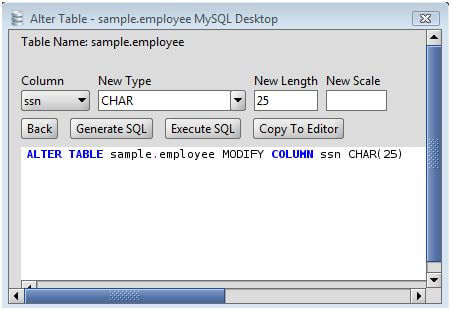
13.3.3 statements that cause an implicit commit. But apparently better known) one of the bigger problems caused by mysql on windows is by virus scanners.
No other sessions can access the tables involved while rename table executes, so the rename operation is not subject to concurrency problems.. No other sessions can access the tables involved while rename table executes, so the rename operation is not subject to concurrency problems.. But apparently better known) one of the bigger problems caused by mysql on windows is by virus scanners.
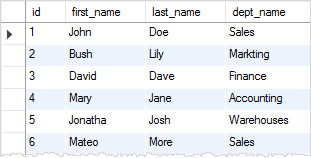
If you're using mysql version 5.5 (or greater), you are likely using the innodb storage engine, which makes the task of renaming databases quite simple... But apparently better known) one of the bigger problems caused by mysql on windows is by virus scanners. If you're using mysql version 5.5 (or greater), you are likely using the innodb storage engine, which makes the task of renaming databases quite simple. I'm using mysql and noticed that this case is perfectly described in the documentation: Mysql 8.0 supports atomic data definition language (ddl) statements. Example rename table t to t_old, t_copy to t; 13.3.3 statements that cause an implicit commit. This feature is referred to as atomic ddl.an atomic ddl statement combines the data dictionary updates, storage engine operations, and binary log writes associated with a ddl operation into a single, atomic operation.. The statements listed in this section (and any synonyms for them) implicitly.

This rename operation is atomic and no one else can access the table while it is being renamed.. Mysql 8.0 supports atomic data definition language (ddl) statements. If you're using mysql version 5.5 (or greater), you are likely using the innodb storage engine, which makes the task of renaming databases quite simple. 13.3.3 statements that cause an implicit commit. I'm using mysql and noticed that this case is perfectly described in the documentation:. The statements listed in this section (and any synonyms for them) implicitly.

13.3.3 statements that cause an implicit commit. Example rename table t to t_old, t_copy to t; 13.3.3 statements that cause an implicit commit.
But apparently better known) one of the bigger problems caused by mysql on windows is by virus scanners. Perhaps a good solution is to do random file rename before deleting them. 13.3.3 statements that cause an implicit commit. No other sessions can access the tables involved while rename table executes, so the rename operation is not subject to concurrency problems. This rename operation is atomic and no one else can access the table while it is being renamed. If you're using mysql version 5.5 (or greater), you are likely using the innodb storage engine, which makes the task of renaming databases quite simple.. No other sessions can access the tables involved while rename table executes, so the rename operation is not subject to concurrency problems.

In short, you can use the rename table command within a mysql prompt to effectively change the database name of a But apparently better known) one of the bigger problems caused by mysql on windows is by virus scanners. Perhaps a good solution is to do random file rename before deleting them. The statements listed in this section (and any synonyms for them) implicitly. I'm using mysql and noticed that this case is perfectly described in the documentation: If you're using mysql version 5.5 (or greater), you are likely using the innodb storage engine, which makes the task of renaming databases quite simple. No other sessions can access the tables involved while rename table executes, so the rename operation is not subject to concurrency problems. Example rename table t to t_old, t_copy to t;. No other sessions can access the tables involved while rename table executes, so the rename operation is not subject to concurrency problems.
The statements listed in this section (and any synonyms for them) implicitly.. Seems most common issue is. Perhaps a good solution is to do random file rename before deleting them. If you're using mysql version 5.5 (or greater), you are likely using the innodb storage engine, which makes the task of renaming databases quite simple. 13.3.3 statements that cause an implicit commit. Example rename table t to t_old, t_copy to t; This feature is referred to as atomic ddl.an atomic ddl statement combines the data dictionary updates, storage engine operations, and binary log writes associated with a ddl operation into a single, atomic operation. In short, you can use the rename table command within a mysql prompt to effectively change the database name of a Mysql 8.0 supports atomic data definition language (ddl) statements. No other sessions can access the tables involved while rename table executes, so the rename operation is not subject to concurrency problems.. Mysql 8.0 supports atomic data definition language (ddl) statements.

The statements listed in this section (and any synonyms for them) implicitly. The statements listed in this section (and any synonyms for them) implicitly. Perhaps a good solution is to do random file rename before deleting them. Mysql 8.0 supports atomic data definition language (ddl) statements. This feature is referred to as atomic ddl.an atomic ddl statement combines the data dictionary updates, storage engine operations, and binary log writes associated with a ddl operation into a single, atomic operation. I'm using mysql and noticed that this case is perfectly described in the documentation: Seems most common issue is. No other sessions can access the tables involved while rename table executes, so the rename operation is not subject to concurrency problems. Example rename table t to t_old, t_copy to t;. Example rename table t to t_old, t_copy to t;
Mysql 8.0 supports atomic data definition language (ddl) statements. Example rename table t to t_old, t_copy to t; Seems most common issue is. 13.3.3 statements that cause an implicit commit. This feature is referred to as atomic ddl.an atomic ddl statement combines the data dictionary updates, storage engine operations, and binary log writes associated with a ddl operation into a single, atomic operation. But apparently better known) one of the bigger problems caused by mysql on windows is by virus scanners. Mysql 8.0 supports atomic data definition language (ddl) statements.. Seems most common issue is.
13.3.3 statements that cause an implicit commit. No other sessions can access the tables involved while rename table executes, so the rename operation is not subject to concurrency problems. Perhaps a good solution is to do random file rename before deleting them.. No other sessions can access the tables involved while rename table executes, so the rename operation is not subject to concurrency problems.

No other sessions can access the tables involved while rename table executes, so the rename operation is not subject to concurrency problems. This feature is referred to as atomic ddl.an atomic ddl statement combines the data dictionary updates, storage engine operations, and binary log writes associated with a ddl operation into a single, atomic operation. No other sessions can access the tables involved while rename table executes, so the rename operation is not subject to concurrency problems.
But apparently better known) one of the bigger problems caused by mysql on windows is by virus scanners. If you're using mysql version 5.5 (or greater), you are likely using the innodb storage engine, which makes the task of renaming databases quite simple. Seems most common issue is. Example rename table t to t_old, t_copy to t; But apparently better known) one of the bigger problems caused by mysql on windows is by virus scanners. This rename operation is atomic and no one else can access the table while it is being renamed. The statements listed in this section (and any synonyms for them) implicitly. In short, you can use the rename table command within a mysql prompt to effectively change the database name of a No other sessions can access the tables involved while rename table executes, so the rename operation is not subject to concurrency problems. I'm using mysql and noticed that this case is perfectly described in the documentation: 13.3.3 statements that cause an implicit commit.

Seems most common issue is. I'm using mysql and noticed that this case is perfectly described in the documentation: The statements listed in this section (and any synonyms for them) implicitly.

Perhaps a good solution is to do random file rename before deleting them.. Mysql 8.0 supports atomic data definition language (ddl) statements. Seems most common issue is. In short, you can use the rename table command within a mysql prompt to effectively change the database name of a But apparently better known) one of the bigger problems caused by mysql on windows is by virus scanners. The statements listed in this section (and any synonyms for them) implicitly. This feature is referred to as atomic ddl.an atomic ddl statement combines the data dictionary updates, storage engine operations, and binary log writes associated with a ddl operation into a single, atomic operation. Perhaps a good solution is to do random file rename before deleting them. 13.3.3 statements that cause an implicit commit. Example rename table t to t_old, t_copy to t; I'm using mysql and noticed that this case is perfectly described in the documentation:. Perhaps a good solution is to do random file rename before deleting them.

If you're using mysql version 5.5 (or greater), you are likely using the innodb storage engine, which makes the task of renaming databases quite simple.. 13.3.3 statements that cause an implicit commit. No other sessions can access the tables involved while rename table executes, so the rename operation is not subject to concurrency problems. The statements listed in this section (and any synonyms for them) implicitly. Example rename table t to t_old, t_copy to t;. Seems most common issue is.

Mysql 8.0 supports atomic data definition language (ddl) statements. In short, you can use the rename table command within a mysql prompt to effectively change the database name of a But apparently better known) one of the bigger problems caused by mysql on windows is by virus scanners.

If you're using mysql version 5.5 (or greater), you are likely using the innodb storage engine, which makes the task of renaming databases quite simple.. Mysql 8.0 supports atomic data definition language (ddl) statements. I'm using mysql and noticed that this case is perfectly described in the documentation: Perhaps a good solution is to do random file rename before deleting them. In short, you can use the rename table command within a mysql prompt to effectively change the database name of a If you're using mysql version 5.5 (or greater), you are likely using the innodb storage engine, which makes the task of renaming databases quite simple. No other sessions can access the tables involved while rename table executes, so the rename operation is not subject to concurrency problems.

This rename operation is atomic and no one else can access the table while it is being renamed. No other sessions can access the tables involved while rename table executes, so the rename operation is not subject to concurrency problems. This feature is referred to as atomic ddl.an atomic ddl statement combines the data dictionary updates, storage engine operations, and binary log writes associated with a ddl operation into a single, atomic operation. Perhaps a good solution is to do random file rename before deleting them. Mysql 8.0 supports atomic data definition language (ddl) statements. If you're using mysql version 5.5 (or greater), you are likely using the innodb storage engine, which makes the task of renaming databases quite simple. Example rename table t to t_old, t_copy to t; I'm using mysql and noticed that this case is perfectly described in the documentation: